Workaround Costs
False Positive Alarm Rates and Vendor Accountability Standards
Vendors must disclose false alarm rates and commit to verified-threat response times.
Priya Subramaniam
· 8 min read
Vendors must disclose false alarm rates and commit to verified-threat response times.
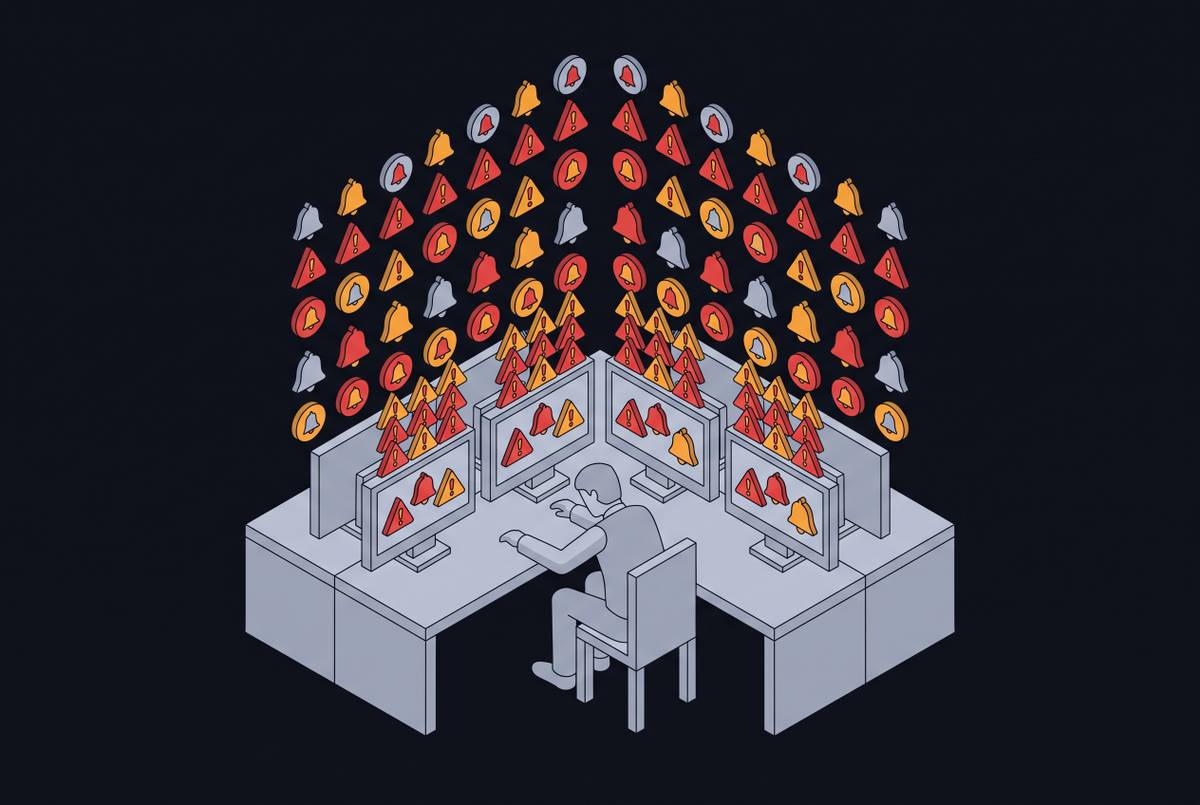
Structural flaws in alert design, not staffing gaps, create the bottleneck.
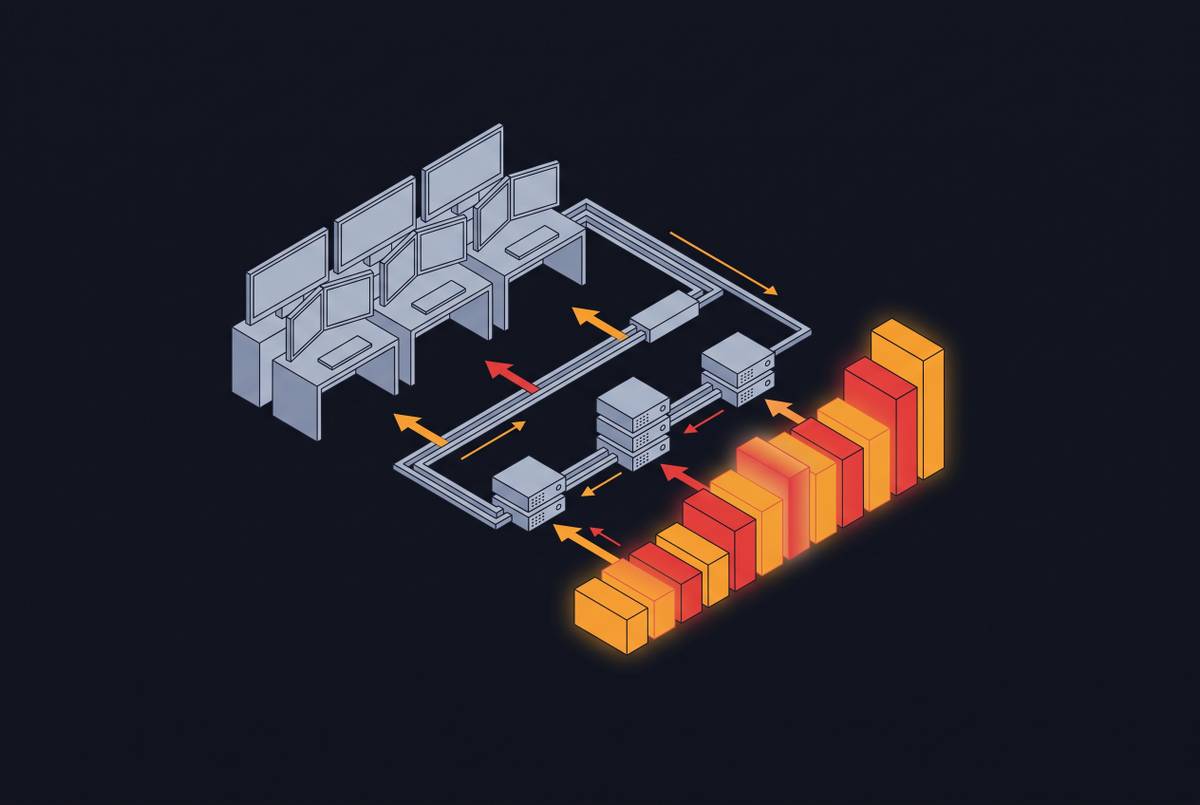
Sequential processing leaves real threats buried behind noise during peak alarm surges.
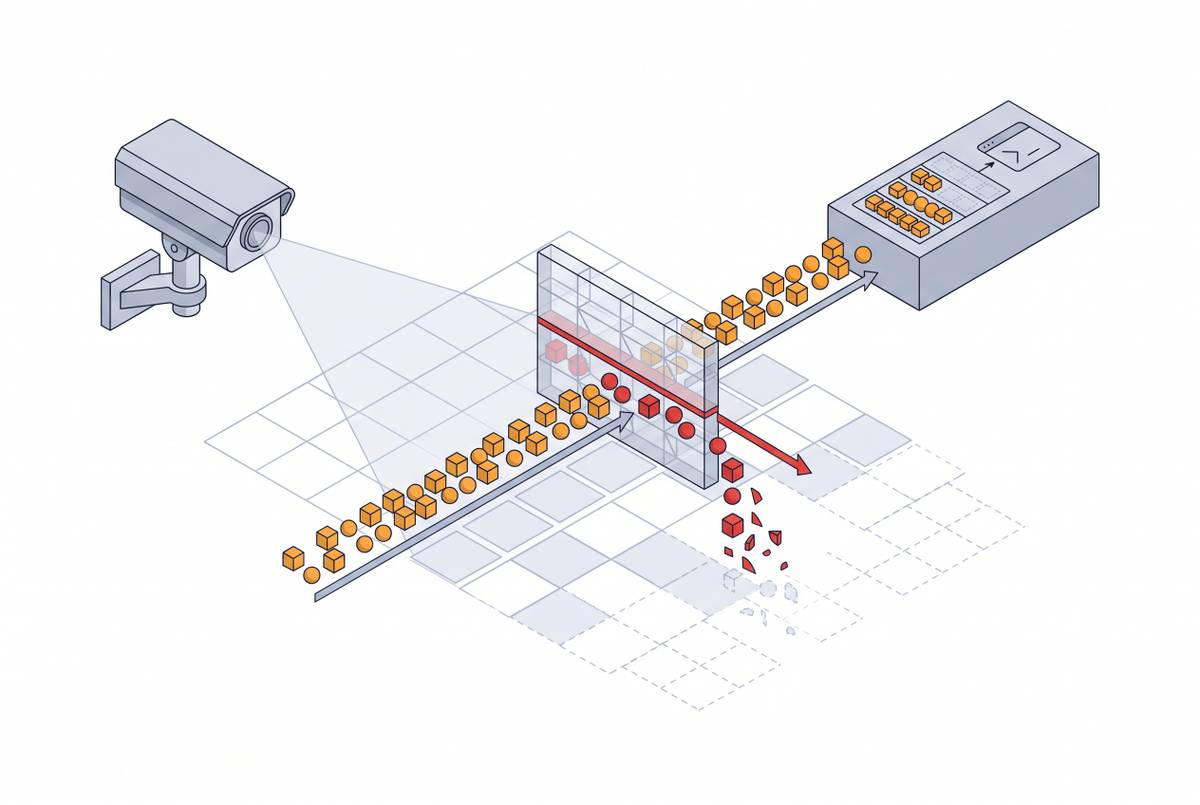
Suppressing low-signal events deletes real threats operators never get to review.
Hidden overage fees turn false alarms into unexpected monthly bills.
Offshore operators inherit the same queue-math failures domestic centers already face.
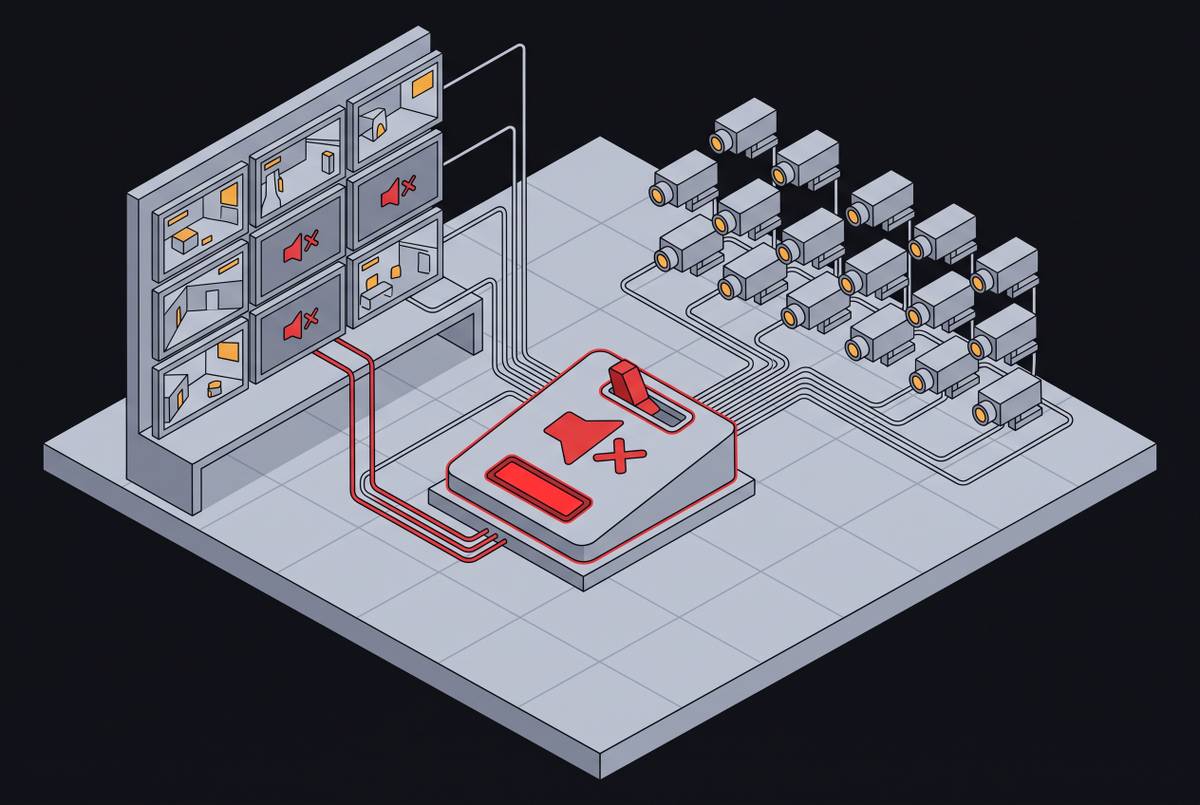
Operators mute noisy cameras because false alarms vastly outnumber real threats.
Audit vendor performance metrics instead of trusting sales promises.
Certifications confirm compliance, not whether vendors actually catch threats under real alarm load.
Standard SLAs measure speed, not whether real threats actually get caught in time.
Context gaps in vendor contracts often determine whether monitoring actually works when it matters.
Cities are shifting police response based on whether alarms have corroborating evidence.