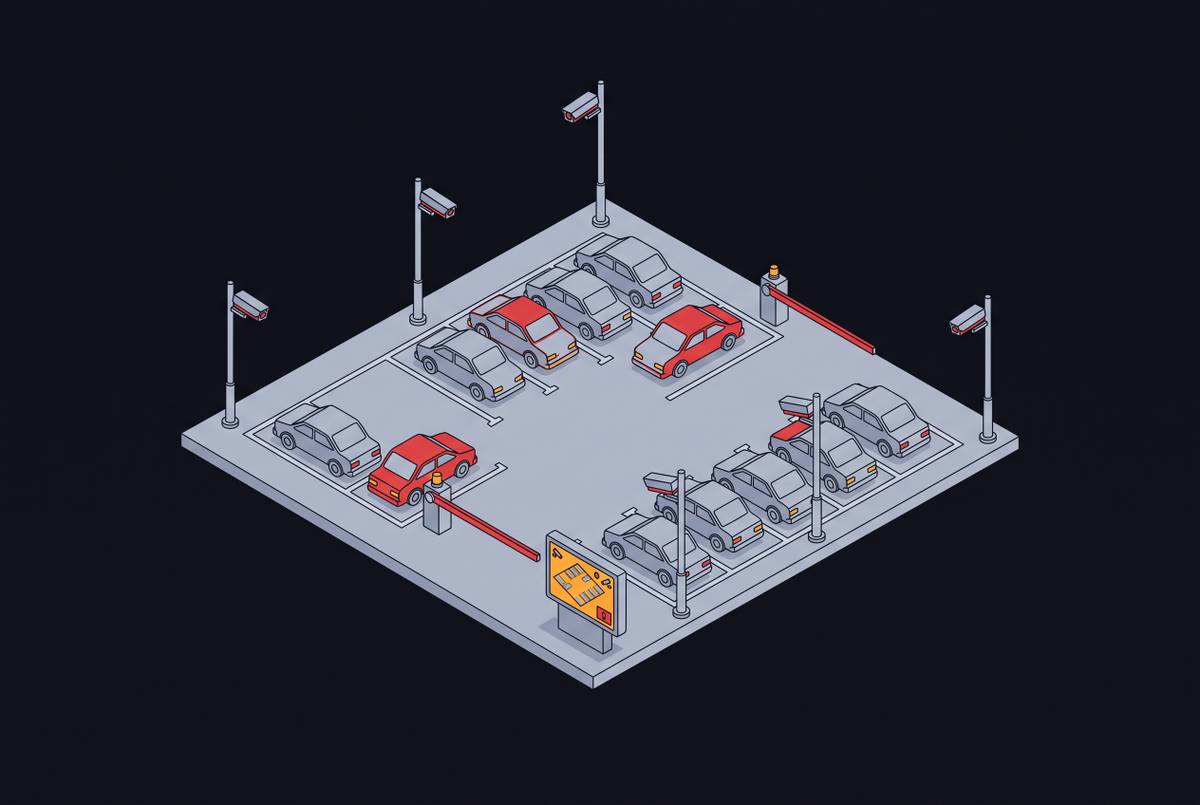
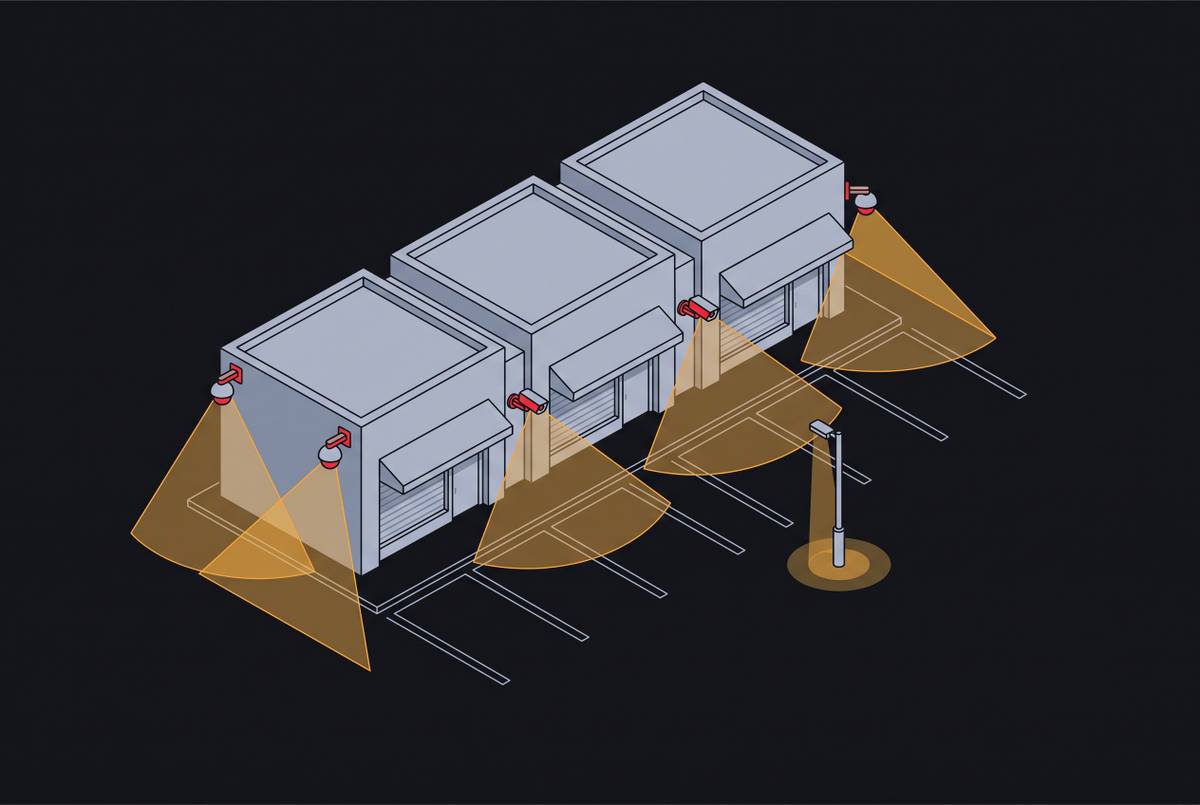
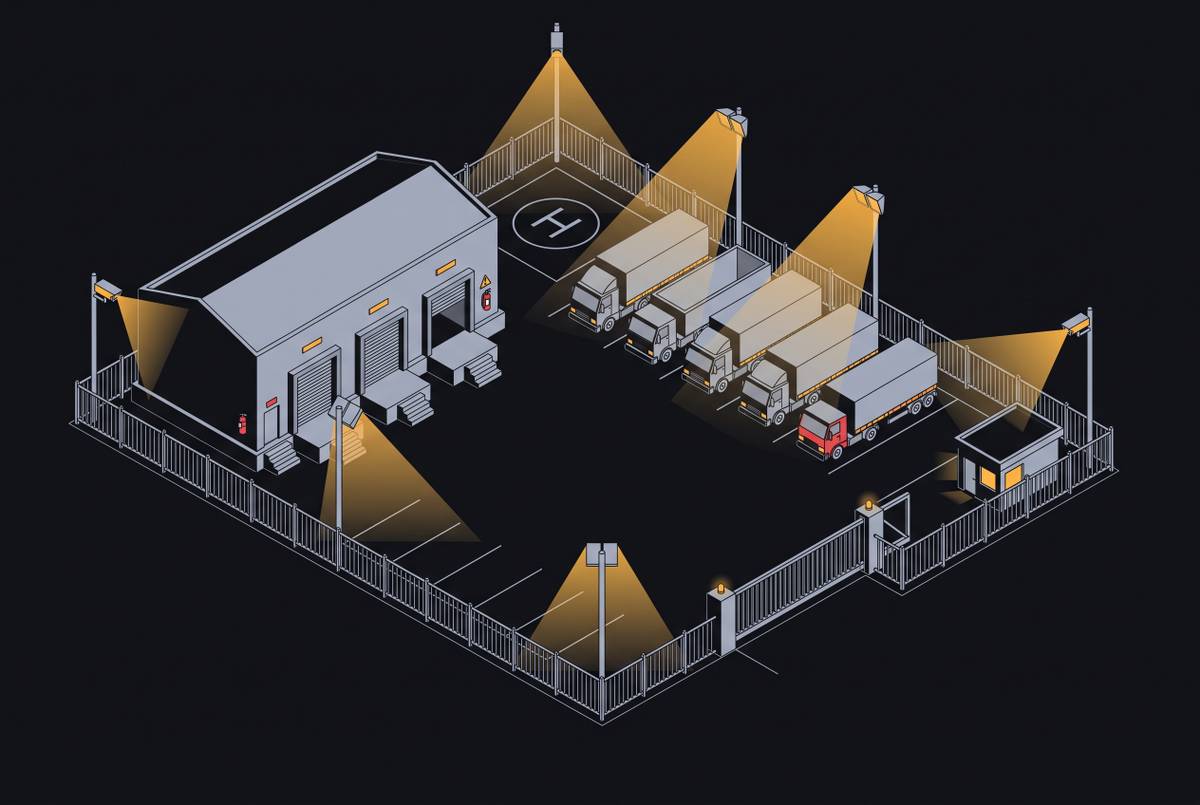
Vacant Commercial Property Monitoring During Lease-Up Periods
Remote monitoring with human verification catches threats before damage compounds during lease-up.
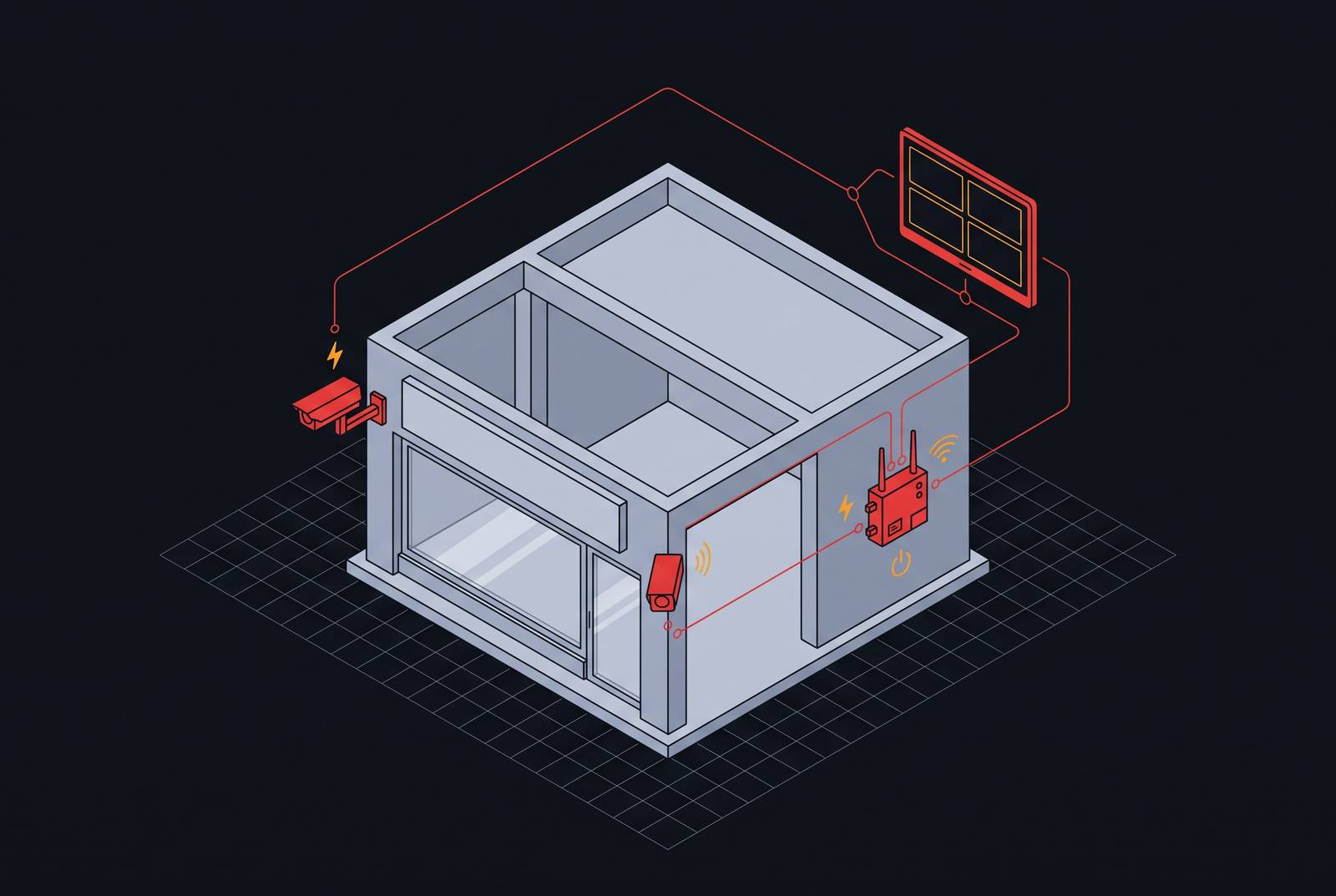
Vacant commercial property monitoring during lease-up requires continuous remote video oversight with verified-threat escalation. The transition concentrates theft, unauthorized occupancy, vandalism, and undetected damage while attention shifts toward finding the next tenant. Active monitoring is economically defensible because an incident can compound repair costs, lost rent, and insurance exposure before anyone discovers it.
Why the lease-up window is the most dangerous phase in a commercial property's life cycle
Leasing, cleaning, and renovation planning can displace security planning just as the departing tenant’s access credentials, building systems, and monitoring configurations need to change. The failure begins at the handover. JMG Security Systems notes that treating turnover as an operational process rather than a security event can leave important transition details unresolved. Those omissions create exposure while the owner is occupied with returning the space to revenue-producing use.
An empty suite also need not mean an empty building. Common lobbies, corridors, elevators, and parking structures remain active, creating a porous perimeter between occupied and vacant zones. During build-out, contractors come and go with permission during set access windows. That activity makes the distinction between an expected visit and unauthorized entry harder to maintain unless monitoring protocols change with the work.
Lost rent, operating costs, and leasing expenses already accumulate, so damage adds to an existing loss. Good Guard Security identifies copper theft, unauthorized occupancy, vandalism, and fire as core hazards in unmonitored spaces. SentriForce notes that these threats can emerge within days of vacancy. Water damage follows the same compounding pattern, because a burst pipe that occupants would notice within minutes can remain undiscovered long enough to cause structural damage.
How vacancy changes the threat profile of a commercial building in concrete, predictable ways
Occupancy supplies both ambient deterrence and incidental detection. Vacancy removes both at once. Copper thieves can strip wiring and plumbing without regular occupants there to see or stop them, while squatters face fewer people checking whether they belong. Fire exposure also changes, as trespasser arson and electrical or HVAC faults can go unnoticed. Hicks Baker says leaks, HVAC failures, and blocked drainage can cause costly damage when people are no longer there each day to spot these maintenance problems.
Physical damage then becomes a leasing obstacle. Good Guard identifies cleanliness, visible security presence, parking lot condition, broken fixtures, and signs of trespassing as cues prospective tenants use before signing. Disorder suggests that the owner cannot maintain the asset, an impression that can outlast the repair itself and impair leasing at the moment the owner needs to secure a tenant.
Failure to notify the insurer of vacancy or meet its conditions can invalidate a claim for the very event that monitoring was intended to catch. Insurers requiring active security measures need proof of access control, surveillance, and documentation. The resulting exposure includes repairs, impaired marketability, and potentially uncovered losses. A security measure therefore has to be assessed against both what it can do before those costs accumulate and what evidence it preserves afterward.
Why do cameras that record not count as active monitoring?
A camera recording to a storage device documents what happened within its view. It does not, by itself, summon a response. Shield Services Group asks directly what happens when an alarm activates with nobody on site. The answer depends on who receives the alert, how it is assessed, and who is responsible for responding. Recording alone establishes none of those responsibilities.
The distinction is about the operation of CCTV. Footage can support prosecution after a theft, but discovering on Monday that copper was stripped on Friday leaves the damage already done. Similarly, a squatter discovered on Monday after entering Friday evening has occupied the property throughout the intervening period. The delay is part of the loss. Active monitoring connects detection to verification and escalation while intervention can still change the outcome.
Unverified alarms do not close that gap reliably. HVAC cycling, lighting, animals, and weather can generate environmental alerts, while repeated false dispatches can bring municipal fines. Hicks Baker recommends inspections at least once a month, but damage can develop in the weeks between visits. A daytime inspection establishes the building’s condition at that moment, while continuous protection is needed through the after-hours window when most theft and trespassing occur.
How human operator attention limits make unassisted monitoring structurally unreliable at vacant sites
Adding an operator to camera feeds introduces judgment, but it does not create unlimited attention. The UK’s National Protective Security Authority describes a vigilance decrement that typically begins well within a standard shift of continuous monitoring. An operator cannot watch dozens of feeds simultaneously at meaningful resolution. Operators are especially likely to tune out quiet feeds from vacant properties. This is a physiological constraint.
When HVAC activity, weather, lighting, and animals repeatedly trigger alerts, the queue makes routine noise look operationally similar to a genuine threat. Operators learn which addresses produce unproductive interruptions. Muting or deprioritizing those alerts can be an understandable individual response, yet it creates a dangerous blind spot for the property.
A person cutting fence wire at 2 a.m. can consequently enter the same queue as dozens of environmental triggers and wait behind them. Requiring a human to inspect every signal forces scarce judgment into repetitive triage before it reaches the event that needs a decision. More hiring or training cannot eliminate the underlying vigilance limit. A workable architecture therefore has to reduce the noise reaching operators while preserving their responsibility for consequential response decisions.
What AI-assisted alarm filtering actually does for vacant-property monitoring
AI-assisted filtering changes what reaches the operator, rather than simply adding another source of detections. Object classification and behavioral anomaly detection compare observed activity against the site’s expected baseline. With details of who is allowed in and when, that comparison can help tell contractor activity, deliveries, and animals apart from suspected intrusion. The distinction depends on the site’s operating rules. A vacant building has no regular foot traffic, limited authorized access windows, and a different after-hours threat profile from an occupied one.
A defined morning contractor window should produce a different assessment from movement after hours. Access control data, inspection schedules, and contractor credentials give the filtering layer the context needed to make that distinction. Without those inputs, detection can create the same load of false alarms it was meant to cut. JMG describes turnover surveillance as a way to establish who entered, when they arrived, and whether work occurred as expected.
The operator then receives an event with context. That includes what happened, where and when it happened, and how it differs from expected activity. High-confidence threats can move to human judgment without first competing with every routine environmental trigger. The operator retains responsibility for decisions such as contacting police, dispatching a guard, or notifying the owner. AI filtering supports that role by changing the quality of the queue, rather than treating the human as the component to replace.
What a monitoring SLA for a vacant commercial property should actually specify
A monitoring SLA should specify verified-response time, the escalation path, and site-specific protocol coverage. The contract needs to state which tasks the provider performs, when the response clock starts, how performance is documented, and what happens when the standard is missed. It should also make clear whether alarm response is included and define the hours and limits of coverage.
Who is responsible must stay clear as who comes and goes changes. The monitoring protocol should be updated after move-out to reflect contractor schedules, inspection windows, and build-out timelines. JMG recommends time-limited vendor credentials and prompt updates to access permissions. The SLA should specify how those changes reach the provider and how quickly its protocol is updated. Otherwise, the written promise can remain intact while operational assumptions become obsolete.
Where insurers require proof of active security, the provider needs to produce records showing that monitoring was operational, alerts were reviewed, and incidents were escalated. A contract that leaves those records unspecified leaves the owner without a defined way to demonstrate performance. The practical buying questions are therefore concrete. They concern who receives an alert, who acts on it, how quickly verified response occurs, and what record establishes that the agreed process was followed.
How to structure monitoring coverage across the phases of the lease-up period
Owners and managers should configure coverage around move-out, build-out, and pre-occupancy rather than treating lease-up as one static condition. At move-out, former tenant credentials must be revoked, suite entry points secured, and monitoring activated as the space becomes unoccupied. JMG identifies that moment as the start of vacant security. Waiting creates an avoidable transition gap. The initial configuration should reflect an empty space rather than preserve the departing tenant’s access pattern.
Build-out changes that baseline into a mixed-access environment. Expected contractor activity must be distinguished from after-hours intrusion, while tools, materials, and equipment make unfinished spaces attractive theft targets. Surveillance should establish who entered, when, and whether work occurred as expected, supporting both theft investigation and contractor-dispute documentation. Construction also changes the physical security picture. JMG says disconnected alarm devices, propped doors, and temporary access routes make it necessary to check that life-safety systems still work.
Pre-occupancy requires another update before the new tenant arrives. New credentials, system testing, and changes in who will come and go affect what counts as expected activity. Shared lobbies, parking structures, elevators, and service corridors need coverage throughout all three phases because people keep using them during suite turnover. In a multi-tenant building, a gap on a vacant floor can also create an access route toward occupied areas, extending the consequences beyond the space being leased.
The cost calculation that makes active monitoring the defensible choice during lease-up
The relevant comparison is monitoring cost against the expected cost of an undetected incident, weighted by its probability over the lease-up window. A serious copper theft, fire, water-damage event, or squatter removal can cost far more than months of monitoring charges. Delay increases the potential loss. SentriForce identifies how theft, unauthorized occupancy, and vandalism can develop within days, when an empty property lacks the people who would otherwise discover them.
Repair costs are only part of that comparison. Good Guard identifies insurance exposure and liability claims arising from injuries to trespassers or unauthorized occupants as additional financial consequences. Hicks Baker notes that failure to meet vacancy conditions can invalidate insurance claims. The owner can therefore face both physical remediation and the loss of expected coverage. Monitoring documentation has economic value because the ability to demonstrate active security is separate from the ability to replay an incident.
Preserving the property also protects its leasing presentation. A space without visible damage, trespassing, or deferred maintenance can return to leasing activity without first requiring remediation. Continuous remote monitoring with verified-threat escalation provides a route to response during the event. Owners should weigh the cost of that service against all they could lose during lease-up and require written terms that say how the provider must respond.